Nowhere is that clearer than in cases like the father taken by ICE in Idaho while dropping his son at daycare, or the teenage brothers Max and Israel Makoka, zip-tied at a Mississippi bus stop as they waited to go to school.
Many families are too scared to send their kids to school at all. ICE raids, mass kidnappings, and deportations have made the daily routine feel too dangerous. School enrollment is down, and absences are up in districts across the country.
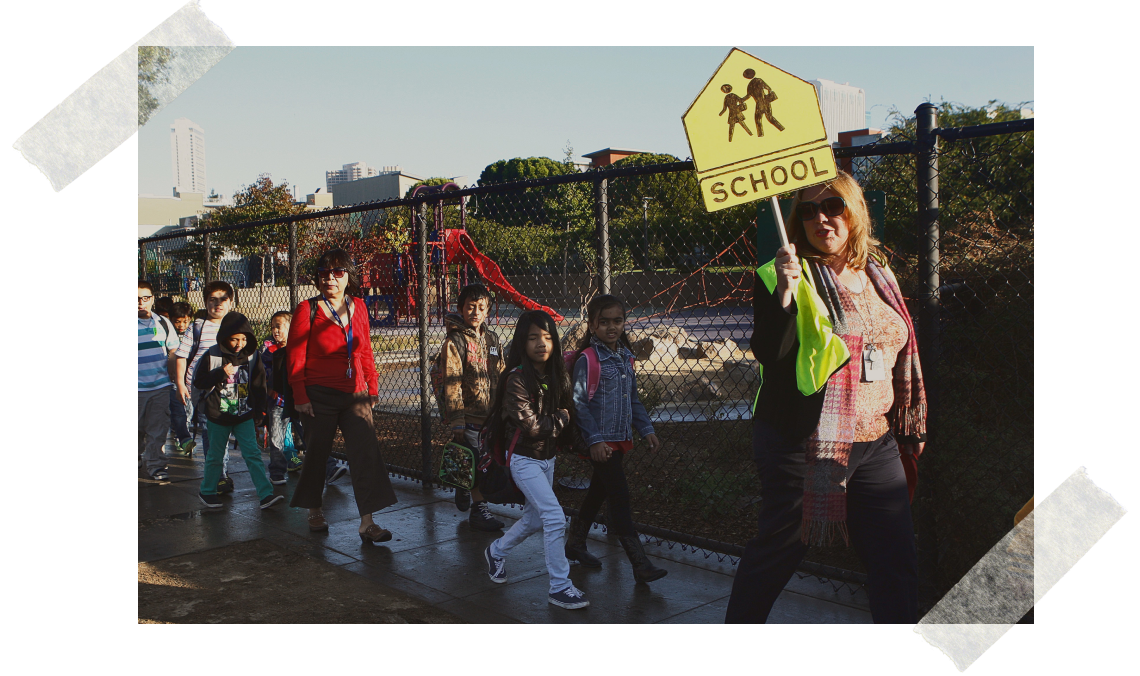
So neighbors, parents, and teachers started getting vulnerable kids to school themselves. Some walk. They form small groups, set pickup times and routes, and gather children door to door on the way to school. They call it a “walking school bus.” Others drive. The point is to let parents who feel unsafe in public stay home, and to put a trusted adult between the kids and ICE. Many train for how best to protect the children if an agent approaches. Others go a step further and organize mutual aid, bringing groceries to parents who are too afraid to go to the store.
The walking school bus belongs to a long tradition of regular people who have organized to ensure that kids in their communities get to school safely. Clergy escorted Black kids like the Little Rock Nine through white mobs to desegregate southern schools when local police refused to protect them. Violence interrupters have long walked kids to school past threats of community violence and through overpoliced blocks.
The advice of a Minneapolis mom who helped organize 200 volunteers to get kids to school safely? "I would recommend people not be scared and not think of it as organizing against the government, but organizing for the people in your neighborhood."