An Investment in Hope:

Foreword from We Can’t Afford It: Mass Incarceration and the Family Tax

ByAshley Gantt

Advocacy and Campaigns Manager, Criminal Justice Reform, FWD.us
When I got my first job at 16, making $7.25 an hour, I became my dad's primary financial support.

My grandfather's funeral was the first time I saw my dad in nearly a decade. I was 13. He walked in, flanked by two corrections officers, there for only a few minutes to pay his respects before he was gone back to prison again. As a child, my dad's presence was felt through the sacrifices my mom made to stretch her tight budget to help him in prison. From using her food stamps to buy food for a package she was sending him or asking family members for $20 here and there to send to him when she didn't have it.

When I got my first job at 16, making $7.25 an hour, I became my dad's primary financial support. While my friends were thinking about going to the movies, I was thinking about how much I could afford to send him. From one of my first paychecks, I sent him $100. I worked hard and was so proud to surprise him, only to find out that the prison took 70% – a full $70 off what I sent – for fines and fees. Another gut punch to my teenage self and a harsh reminder of the many ways incarceration steals from families.

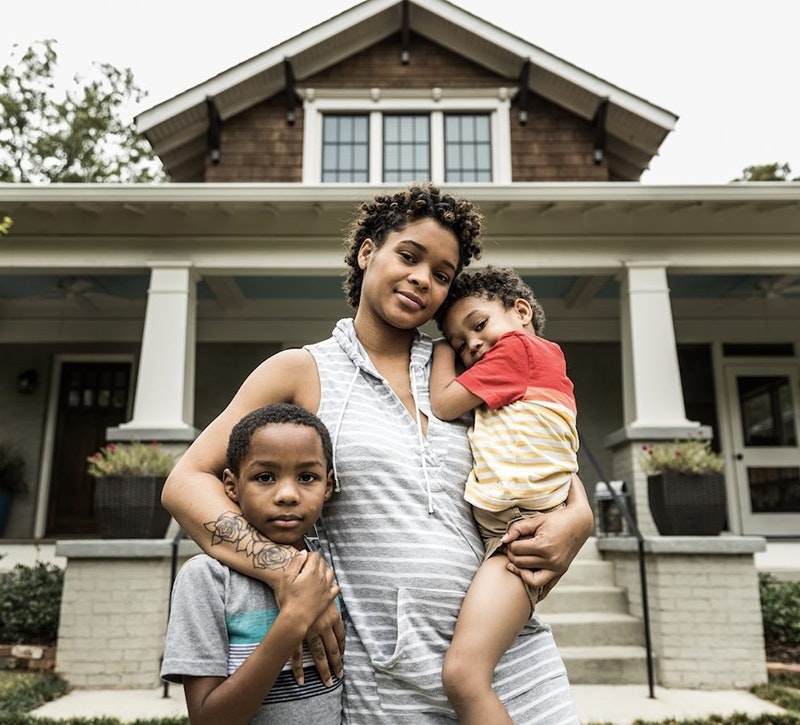
With that decision I felt shame, not shame that my dad put on me, but shame the system left me holding, a silent burden of impossible choices to be able to show up for the people I love.”

For nearly two decades, I supported my dad until he came home four years ago. Some months, it was $50 on his books, $100 for phone calls, others it was a few hundred dollars to send him care packages–especially for clothing to survive New York winters–and every month what I sent him limited my ability to make ends meet at home. Many of those years were heavy with really tough choices as I was trying to build my own life. When my daughter was 2, we were at the grocery and the only thing I could afford was diapers because I was going to send the rest of my money to my dad. But like any toddler, she grabbed a snack off the shelf—something small that she wanted but wasn't a necessity. I stood there knowing the bitter truth: I couldn't afford the diapers, the snack, and sending my dad money.

Supporting my dad meant too many choices of either/or – like being able to travel from Rochester, New York to Georgia for my twin's brother's boot camp graduation so he had at least one family member there to celebrate his accomplishment. That month, I couldn't put money on the phone. I couldn't send my dad a care package. I couldn't add to his commissary. With that decision I felt shame, not shame that my dad put on me, but shame the system left me holding, a silent burden of impossible choices to be able to show up for the people I love.

This burden, this cycle of sacrifice, isn't just mine. It's the reality of millions of families, especially children of incarcerated parents whose on-ramp to adulthood is slowed by a system that upends family budgets and disrupts generational wealth. Despite the struggles, I'd make the same choices again—every dollar I sent, every phone conversation I paid for, gave him hope in a place designed to strip it away, and it gave me the chance to know him not just as a father, but as a human being worth waiting for.

Tell the world; share this article via...